
Day: August 21, 2023

Boston

Best Travel Places to visit in Boston

Boston, often referred to as the “Cradle of Liberty,” is a city that seamlessly blends history, culture, and modernity. With its rich colonial past, vibrant arts scene, prestigious universities, and diverse neighborhoods, Boston .

Historical Landmarks and Attractions

Freedom Trail: Immerse yourself in history by following the red-brick Freedom Trail, a 2.5-mile route that takes you to 16 significant historical sites. 

Faneuil Hall Marketplace:

 A bustling historic marketplace where you can shop for local crafts, savor delicious food at Quincy Market, and enjoy street performances.

Read Also : Frontier Airlines Ticket

USS Constitution Museum: 

Explore the world’s oldest commissioned warship, the USS Constitution, and learn about its storied past as “Old Ironsides.”

Boston Tea Party Ships and Museum: 

Relive the iconic event that sparked the American Revolution through interactive exhibits and immersive reenactments.

Bunker Hill Monument: 

Climb the 294 steps to the top for panoramic views of Boston and to pay homage to the battle that inspired the famous phrase “Don’t fire until you see the whites of their eyes.”

Cultural and Artistic Delights

Museum of Fine Arts:

 Home to an extensive collection of artworks spanning various cultures and eras, this museum is a paradise for art enthusiasts.

Isabella Stewart Gardner Museum: 

Experience the unique blend of art and architecture within the beautiful setting of Isabella Stewart Gardner’s former residence.

Institute of Contemporary Art: 

Discover cutting-edge contemporary artworks and exhibitions as well as breathtaking waterfront views.

Symphony Hall:

 Catch a performance by the renowned Boston Symphony Orchestra in this acoustically exceptional venue.

Harvard Art Museums: 

Just a short trip across the Charles River, these museums house an eclectic assortment of art, from ancient to modern.

Scenic Outdoor Escapes

Boston Common and Public Garden: These adjacent green spaces offer a serene oasis in the heart of the city, perfect for a leisurely stroll or a relaxing picnic.

Charles River Esplanade:

 Enjoy scenic riverfront views, walking paths, and opportunities for kayaking and sailing along the Charles River.

Fenway Park:

 Baseball aficionados will love catching a game at the iconic Fenway Park, the oldest active Major League Baseball stadium.

Castle Island: 

Delight in a leisurely walk along the waterfront, explore the historic Fort Independence, and enjoy picturesque views of the Boston skyline.

Arnold Arboretum:

 A haven for nature enthusiasts, this arboretum showcases a vast array of plants and trees from around the world, making it especially enchanting during the fall foliage season.

Quaint Neighborhoods and Unique Experiences

Beacon Hill: Wander through charming cobblestone streets, admire historic architecture, and explore boutique shops on one of Boston’s most picturesque neighborhoods.

North End: 

Indulge in Italian cuisine and pastries while exploring the neighborhood’s narrow streets, which are steeped in history.

Back Bay:

 Marvel at the grandeur of Victorian brownstones, shop along Newbury Street, and visit the stunning Trinity Church.

Jamaica Plain: 

Experience the bohemian atmosphere, browse independent boutiques, and relax at Jamaica Pond.

Seaport District: 

This revitalized waterfront area offers trendy restaurants, contemporary art installations, and scenic views of the harbor.

Educational Institutions and Intellectual Pursuits

Harvard University: 

Take a guided tour of one of the world’s most prestigious universities and explore its historic campus.

Massachusetts Institute of Technology (MIT):

 Discover the innovative spirit of MIT through public lectures, exhibitions, and its renowned MIT Museum.

Boston Public Library: 

Delve into a vast collection of books and manuscripts, and appreciate the architectural beauty of the library’s interior.

John F. Kennedy Presidential Library and Museum: 

Learn about the life and legacy of the 35th U.S. president through interactive exhibits and personal memorabilia.

Read Also : Frontier Airlines seat selection

Museum of Science:

 Engage in hands-on learning experiences and explore fascinating exhibits on topics ranging from space exploration to natural history.
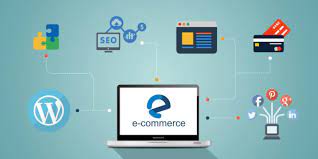

5 benefits of e-commerce App Development Company

As an increasing number of businesses transition to the digital realm, the development of ecommerce applications has gained significant traction. Utilizing an ecommerce app on their smartphones or tablets, customers can peruse products, place orders, and conveniently complete payments. This trend presents numerous benefits for both enterprises and their customers. Below are the five key advantages of investing in the creation of an ecommerce software development for your business:

Increased Sales and Revenue  

Customers’ buying experiences are streamlined and simplified by using an e-commerce app, which puts your store right in their pockets. Instead of having to visit your website, discover the item, put it to their basket, and then complete the purchase, customers can do it with just a few clicks from any location. Compared to websites, these ease and simplicity lead to better conversion rates.

When customers have to go through too many steps to make a purchase, many abandon their carts halfway. However, with an app they can checkout faster with saved payment info and in just a few clicks. Reduced friction in buying process leads to better conversion of product views to actual sales.

Customers may receive push notifications about sales, new arrivals, cart reminders, etc. by downloading an app. As opposed to other marketing methods, this pushes the buyer to return to a app where they are more probable to make a speedy purchase. Push notifications, according to studies, may increase conversion rates by as much as 40%. The total number of transactions made through the app grows dramatically as a result of the app’s capabilities for simple purchasing mixed with suggestions and reminders delivered via notifications. Revenues will inevitably rise as sales do as a result.

Improved Customer Experience

Today’s shoppers want a seamless shopping experience across all channels, including online, mobile, and in-person. An ecommerce app that unifies every one of these channels into the single platform offers this. Customers might browse as well as seek for the items, as well as evaluate information like descriptions, and images, along with customer reviews, just as they would on the website. They have easy access to all a information they need via a app to help them make educated purchasing decisions.

Customers may also use the app to view the current inventory of neighboring physical establishments. In just a few clicks, they may purchase online and pick up in-store, or vice versa. A seamless omnichannel experience is produced through the combination of digital and physical channels. The app also offers helpful functions like one-click reordering, wishlists, stored payment and shipping information, and tailored suggestions based on user preferences and past purchases. This further streamlines recurring purchases and allows for experience customization.

Wider Reach 

Consumers of today desire a seamless purchasing experience across all platforms and touchpoints. By combining your website, physical stores, promotions, etc. into one location, an ecommerce app does this. Customers may explore goods, read reviews, and examine comprehensive information on the app exactly as on the website. However, customers may also use the same app to arrange delivery or see whether the item is available at a local physical store.

With all this combined in one app, the experience is streamlined for the customer. They don’t have to go back and forth between different channels to find information, see prices, check availability etc. The app also enables features like saved payment methods, automatic logins, wish lists and personalized recommendations based on their shopping behavior and habits. This further simplifies and customizes the experience.

By bringing together the website catalog, in-store inventory, promotions, and customer data into one place, the app provides a consistent and integrated shopping environment. Customers no longer need to switch between different sources to browse, check availability, compare prices etc. Everything is accessible within the app itself, creating a seamless user journey.

Lower Operational Costs

An ecommerce app can reduce expenses for a business in multiple ways in the long term. Firstly, mobile apps have lower ongoing maintenance costs compared to responsive websites which need constant updates across platforms and browsers. App updates also tend to be less frequent.

With users primarily engaged on the app, expenses on paper catalog printing and SMS marketing can be significantly cut down as the app makes them redundant. Higher engagement on the app also means customers refer back to it for their needs rather than contacting customer service as frequently, thereby lowering these support costs.

The app also centralizes data on inventory, sales, user behavior etc. With a unified dashboard, tracking and managing operations becomes easier and more efficient. Staff productivity is improved and costs optimized. While app development requires upfront investment, the recurring revenue generated from higher sales and lower operational costs means businesses see a high return on investment over time.

Better Branding and Loyalty

Having an app on major app stores positions a brand as being tech-forward, innovative and accessible on mobile. Customers perceive businesses with apps as more modern, established and digitally native.

The app itself also offers branding customization options through logo, color schemes, imagery, copy etc. This allows reinforcement of brand identity and messaging. Ongoing engagement through push notifications with promotional offers, new arrivals, cart abandonment reminders etc. keeps the brand top-of-mind.

Transactional notifications and alerts about order status, shipping updates, returns etc. also prominently feature the brand name and logo. This creates repetitive brand exposure. Loyalty programs, personalized promotions and recommendations based on purchase history tailored through the app foster brand affinity and repeat customers.

Conclusion

Investing in ecommerce app development company provides numerous benefits for businesses. It leads to higher sales and revenue thanks to increased reach, better customer experience and wider accessibility. Operational costs also reduce in the long run. Most importantly, an ecommerce app strengthens branding and customer loyalty for your business. As more customers now prefer shopping through apps rather than mobile sites or physical stores, it has become essential for brands to have a robust ecommerce mobile app strategy. Teaming up with a seasoned app development firm that provides comprehensive assistance can enable you to fully capitalize on these advantages. The appropriate application has the potential to elevate your ecommerce enterprise to new heights.

5 Best Practices for Enterprise Software Development

Enterprise software development plays a critical role in the success and efficiency of modern businesses. Whether it’s managing operations, improving customer experiences, or enabling data-driven decision-making, well-developed enterprise software can make or break an organization’s competitive edge. To ensure success, it’s essential to follow best practices throughout the software development lifecycle. Here are five key best practices for enterprise software development.

Requirements Gathering and Documentation:

Before writing a single line of code, thorough requirements gathering and documentation are crucial. Engage with stakeholders, including end-users, business analysts, and subject-matter experts, to define clear and concise requirements. These requirements should be documented in a way that is easily understandable and can serve as a foundation throughout the development process. Keep in mind that requirements may evolve, so establish a robust change management process to handle modifications efficiently.

Agile Development Methodology:

Adopting an Agile development methodology, such as Scrum or Kanban, is vital for enterprise software projects. Agile methodologies emphasize iterative development, continuous feedback, and collaboration among cross-functional teams. This approach allows for flexibility in responding to changing requirements, reduces the risk of project failure, and ensures that the software aligns with business objectives. Regular sprint reviews and retrospectives are essential for refining the software and development processes continuously.

Security-First Mindset:

Security should be a top priority from the beginning of the software development process. Identify potential security risks and vulnerabilities early on and implement security measures throughout the development lifecycle. Regularly update dependencies and libraries to patch security vulnerabilities. Perform code reviews and penetration testing to identify and address security weaknesses. Make security a part of the culture, involving all team members in the responsibility of maintaining a secure application.

Scalability and Performance Testing:

Enterprise software often needs to handle a high volume of data and users. To ensure the software can scale to meet growing demands, conduct thorough scalability and performance testing. Identify potential bottlenecks, optimize code and database queries, and use caching and load balancing techniques to enhance performance. Regularly monitor the application in production to identify and address performance issues as they arise.

Robust Documentation and Knowledge Sharing:

Comprehensive documentation is essential not only for the development team but also for future maintainers and support personnel. Document the software architecture, codebase, deployment procedures, and troubleshooting guides. Encourage knowledge sharing among team members through code reviews, knowledge transfer sessions, and collaborative tools. An empowered and informed team can respond more effectively to issues and changes in the software.

Conclusion:

Enterprise software development demands a holistic approach that considers not only technical aspects but also business needs and user expectations. By following these best practices, organizations can develop robust, secure, and scalable software solutions that drive productivity, efficiency, and innovation within their enterprises. Successful enterprise software development hinges on effective collaboration, adaptability, and a commitment to delivering value to the business and its users.